We transform early-stage ideas into structured, testable prototypes and interface models — so you can see exactly how your product works before development begins.
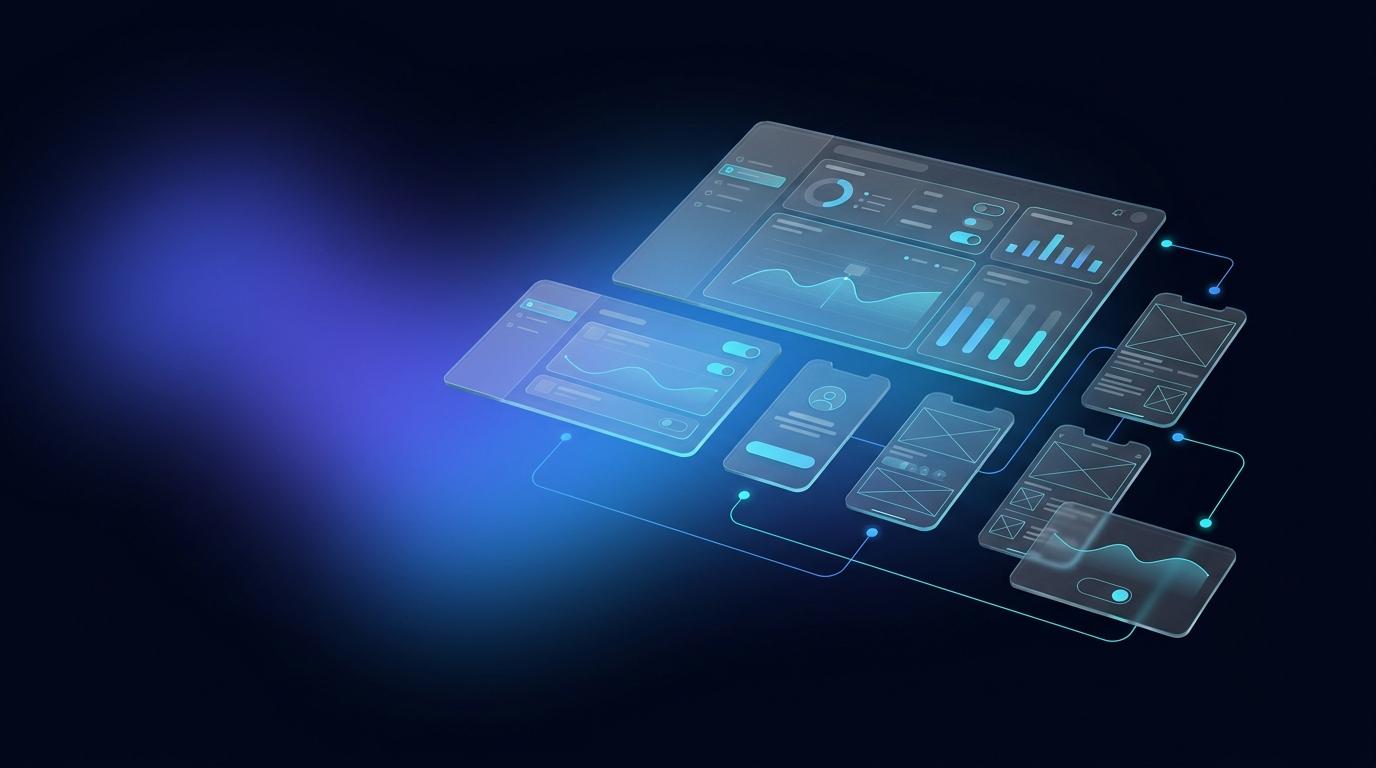
Most products begin as strong ideas that never get a clear shape. Before development can start, those ideas need to be structured, visualized and tested.
You know what you want to build, but there is no framework that turns the concept into something a team can act on.
Without a model, the way the product actually behaves stays ambiguous and open to interpretation.
Stakeholders cannot evaluate what they cannot see, so decisions stall and feedback stays vague.
Estimates, validation and development all wait on a clear, shared picture of the product.
Our work turns a loose concept into a structured prototype across three connected layers of product thinking.
We organize your concept into a coherent prototype architecture of screens, states and priorities. Instead of a scattered set of ideas, you receive a structured map of what the product contains and how its parts connect.
We translate that structure into clean interface layouts that show how each screen is composed. Every layout makes the hierarchy, content and key actions of the product explicit and reviewable.
We define the paths people take through the product, from entry point to outcome. Clear flows reveal how screens link together and where the experience needs to be tested before it is built.
Every engagement follows the same path. We take a raw idea, give it structure, and turn that structure into a prototype you can review and test — long before a single line of production code is written.
We capture the concept, its goals and the problem it sets out to solve.
We shape it into screens, flows, states and clear priorities.
We deliver a structured, testable model that shows how the product works.
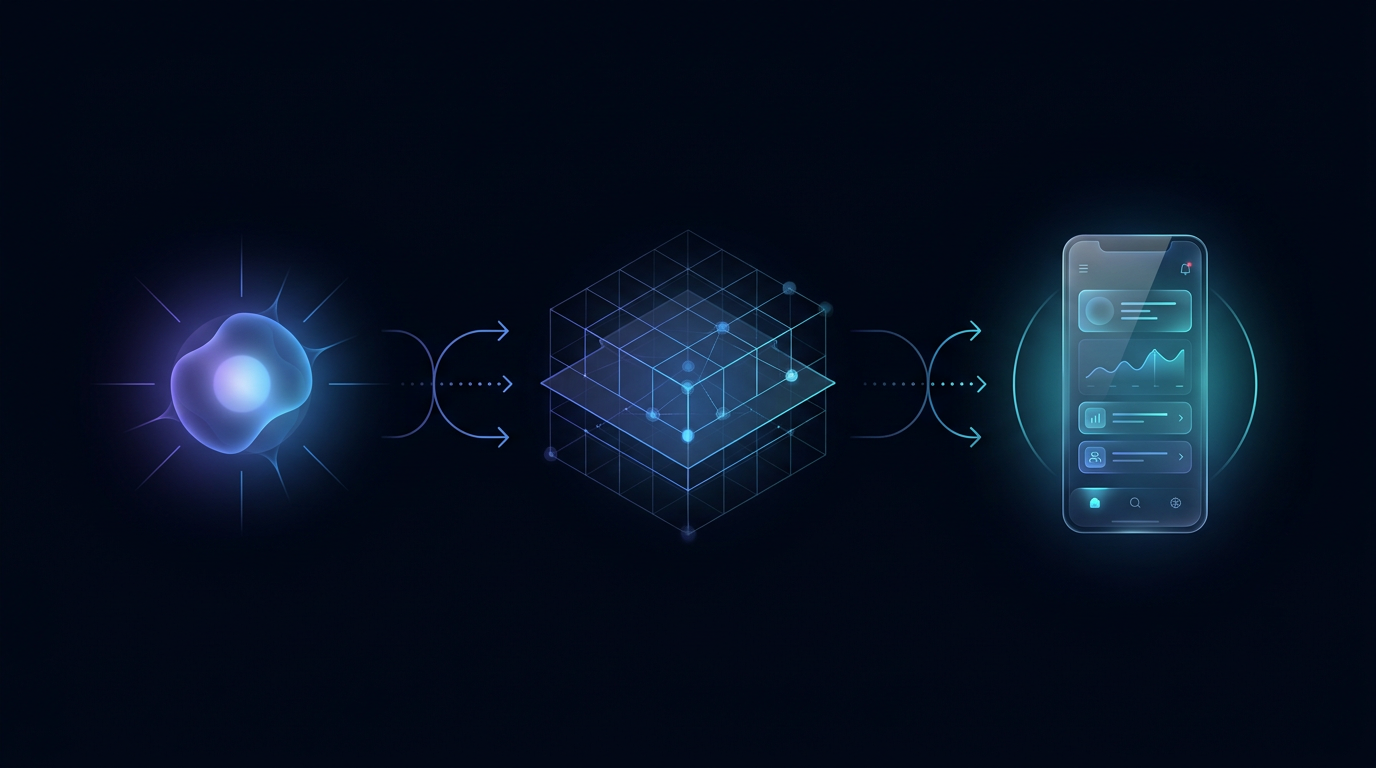
Four connected services that move a concept from rough idea to a prototype ready for planning and development.
A complete, structured prototype that represents how the product is organized and how it behaves.
Clear, consistent screen layouts that define hierarchy, content blocks and primary actions.
Defined behaviors, states and transitions that show how the interface responds to people.
A shared, documented view of the product so every stakeholder works from the same model.
We produce different types of prototypes depending on what your product needs to demonstrate and validate.
Screen-level layouts that show structure, content and the look of the product.
End-to-end journeys that map how people move through the product.
Behaviors and states that define how each part of the interface responds.
The overall arrangement of screens and modules that form the full product.
Alongside our services, we offer self-contained products that help teams structure and prototype faster.
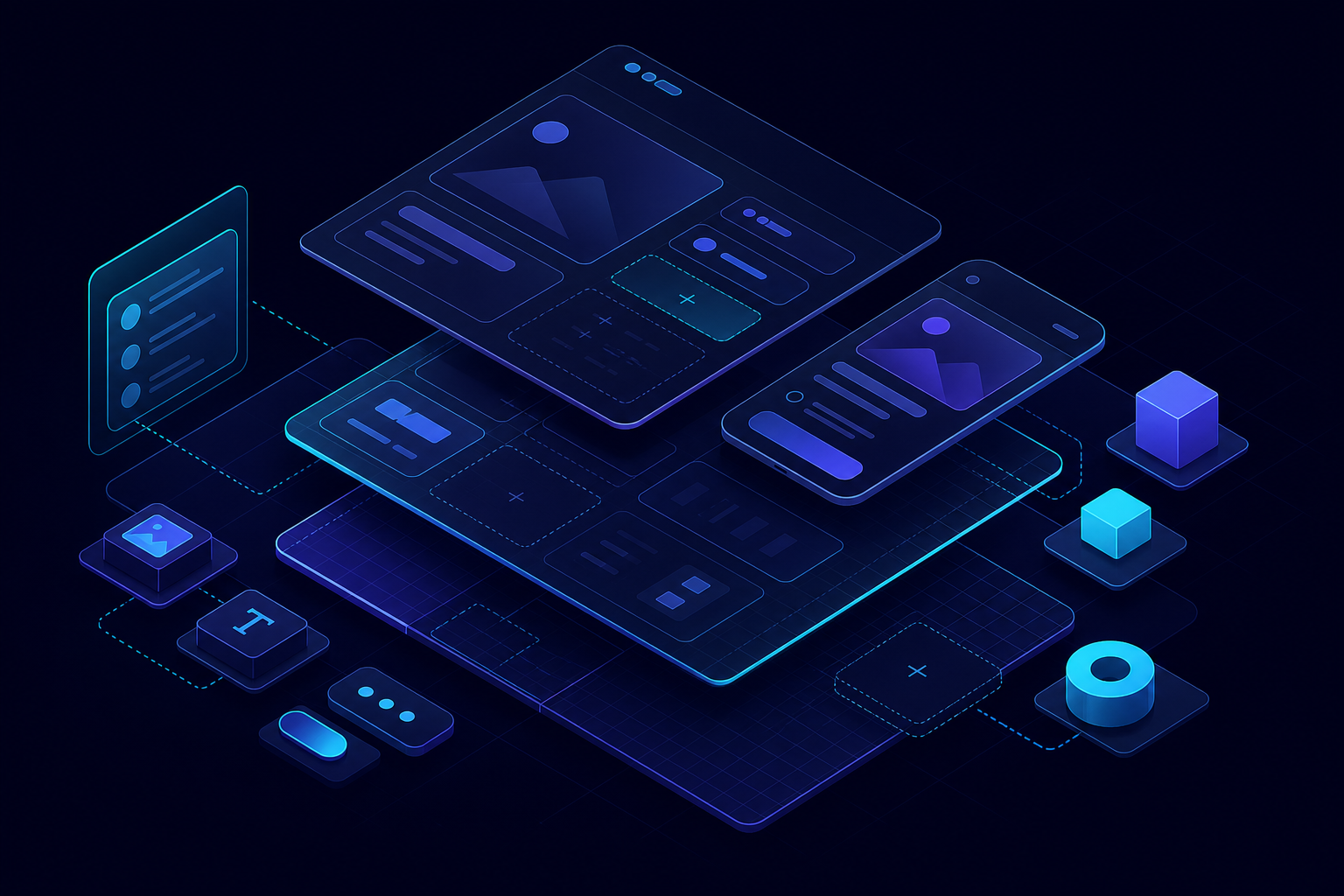 Prototype kit
Ready-to-use prototype templates and screen structures to turn an idea into a working layout in days, not weeks.
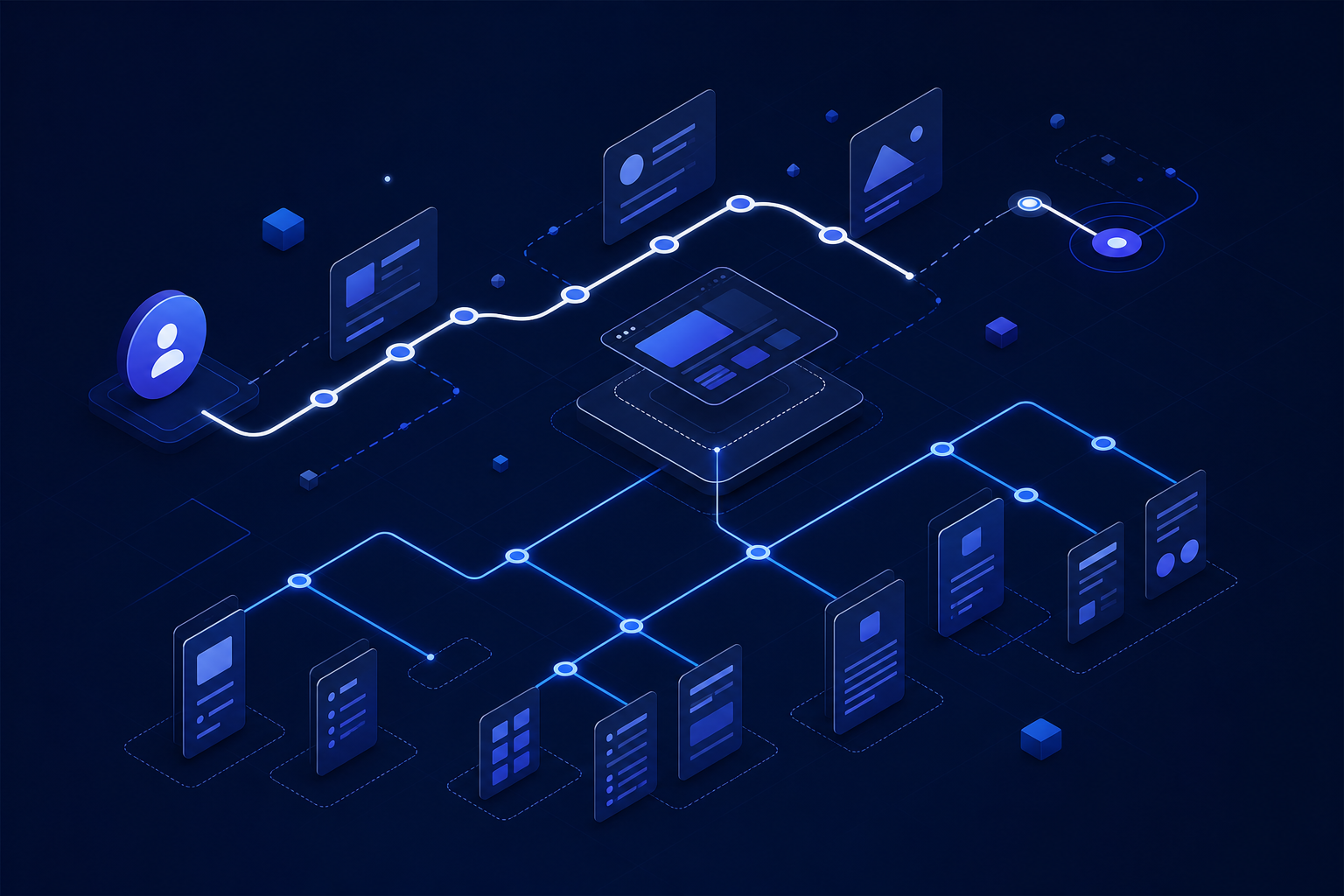 UX framework
A structured framework for organizing flows, screens and states across an entire product experience.
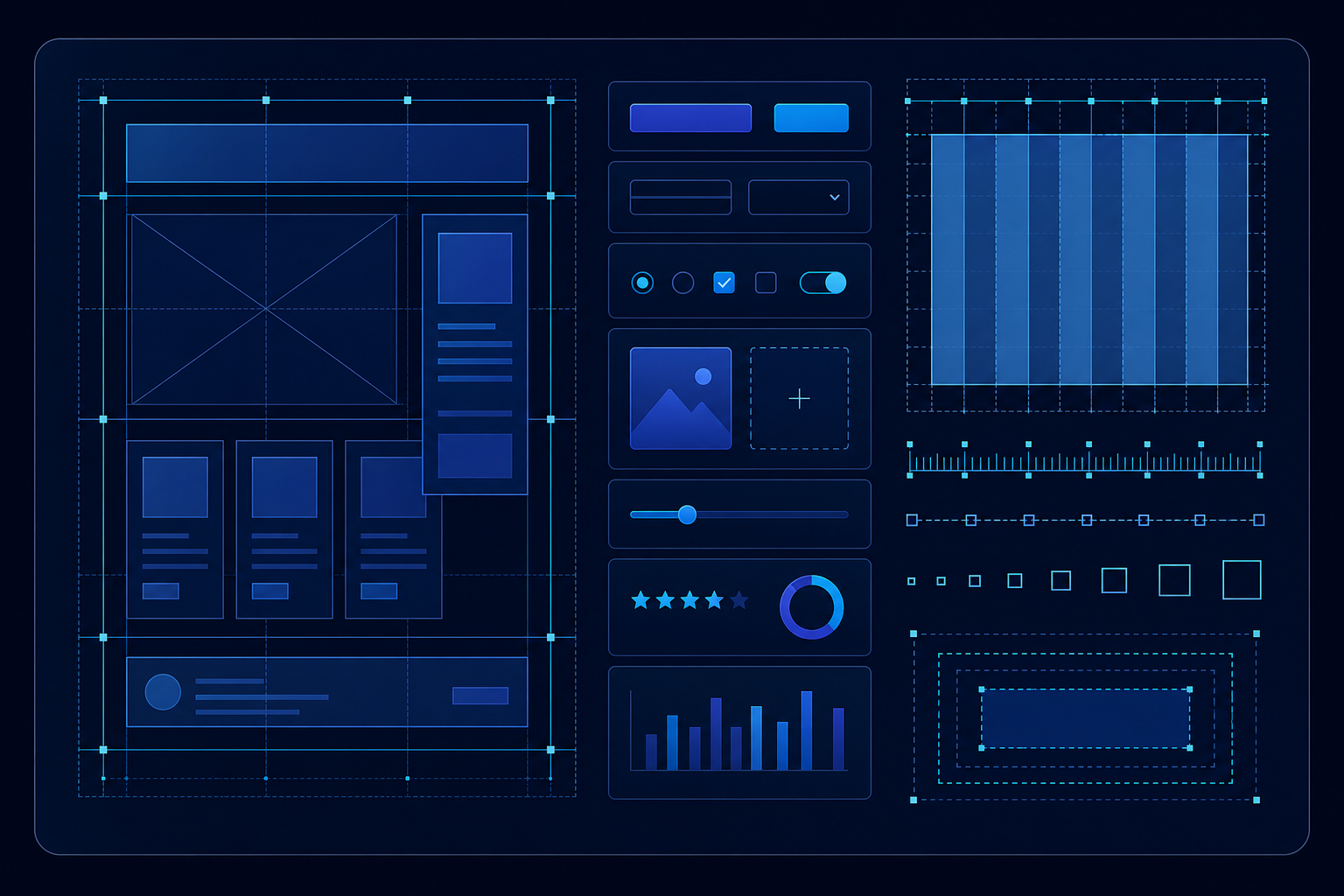 Layout system
A reusable set of layout systems and component structures for building consistent interface prototypes.
A straightforward four-step process that keeps the work structured and predictable from start to finish.
We review your idea, goals and constraints to understand what the product must achieve.
We organize it into screens, flows and priorities that form a clear product architecture.
We design the interface layouts and interactions into a coherent, working model.
We hand over a structured, testable prototype ready for planning and development.
A structured prototype removes guesswork early, when changes are still cheap and fast to make.
Everyone works from the same structured picture of what the product is.
A model you can review and validate with users before building it.
Scope, effort and priorities become far easier to estimate and plan.
Fewer unknowns and fewer surprises once development begins.
We work with teams at the earliest stage of a product, when structure matters most.
Founders turning a raw idea into something investors, partners and early users can actually see and evaluate.
Teams with a rough product direction that needs structure before it moves into design and development.
Specific feature or interface ideas that should be modeled and tested before they are committed to a roadmap.
Flexible engagement models that fit how your product and team operate.
Defined engagements with a clear scope, timeline and a structured prototype as the deliverable.
Continuous prototyping support as your product evolves and new flows need structuring.
We integrate with your team as an external prototyping function when internal capacity is limited.
The details teams most often ask about before starting a prototyping engagement.
A structured prototype: organized screens, defined user flows and interface layouts that show how your product works, packaged so your team can review, test and plan from it.
No. We focus on the structuring and prototyping stage before development, so your team or development partner starts building from a clear, validated model.
Service engagements typically start around $1,000 and scale with the size and complexity of the product. Supporting prototype kits range from $500 to $800.
Most structured prototypes are delivered within two to four weeks, depending on scope and how many flows the product requires.
As early as possible — when you have an idea or rough concept but not yet a clear structure. That is where structuring adds the most value.
Yes. We work on a project basis, provide ongoing support, and can act as external contributors alongside your internal product and design teams.
Turn your concept into a structured, testable prototype — and move into development with clarity instead of guesswork.
Tell us about your product concept and we will show you how it can be structured, visualized and prototyped before development.
Vislora Product Constructs Ltd transforms early-stage product concepts into structured, testable prototypes and interface models — giving teams a clear view of how a product will work before development begins.
